How to Create a Productive Office Workspace with the Right Office Furniture
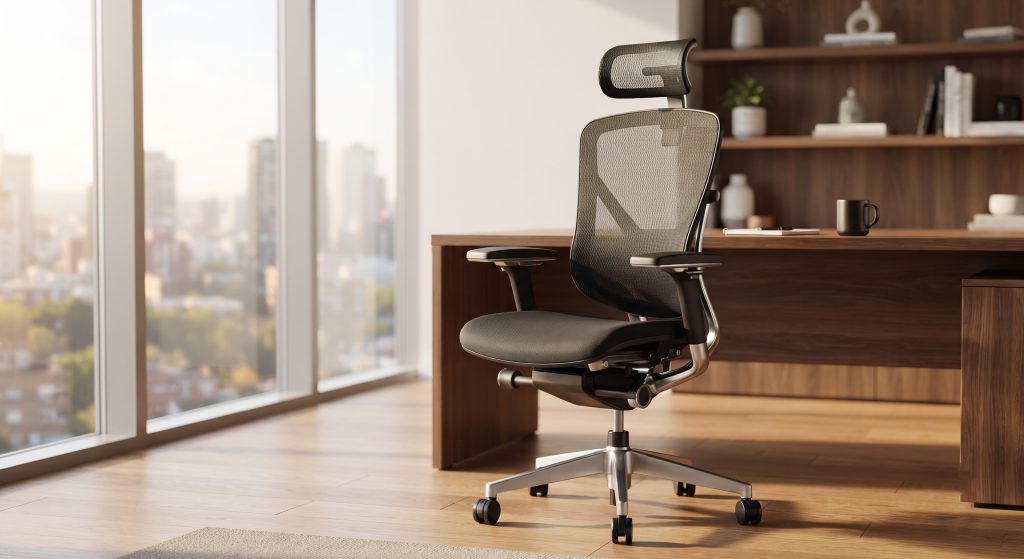
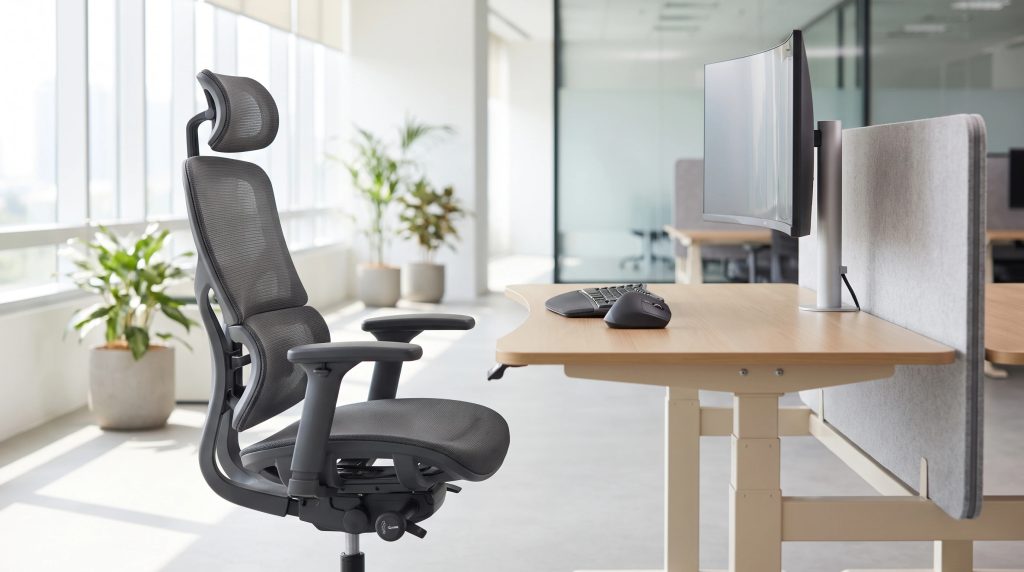
A productive office starts with more than good people and reliable technology. The furniture around your team can shape comfort, focus, movement and how smoothly work gets done each day. Poor seating or cramped desks can also make routine tasks harder than they need to be. That is why choosing the right office chair, desk and storage require careful thought. Looks and price matter, but so do staff need, available space, daily tasks and future growth. The right choices can create a workspace that feels organised and comfortable. A reliable supplier can also help you select products that suit your space and budget. This guide covers chairs, furniture types, materials, ergonomics, supplier comparisons, quotations and practical buying points for creating a productive workplace. What Does an Office Furniture Supplier Actually Provide? An office furniture supplier offers much more than basic desk and chair options. It is possible for companies to purchase all office furniture along with various other services from a single supplier. Office chairs such as ergonomic, task, executive, and guest chairs Office desks and workstations Modular workstations for group work areas Filing cabinets, pedestals, cupboards, and shelves Conference tables and meeting chairs Reception desk, sofa, and lounge chairs Executive desks and office furniture Office space planning and furniture layout services Furniture delivery, assembly, and installation Support during warranty period and replacement parts services Working with one experienced office furniture supplier can simplify the process of maintaining consistency among furniture styles and furniture deliveries to create an employee-friendly working environment. How to Assess Your Office Furniture Requirements Before Buying Before buying office furniture, take time to understand how your team uses the workspace. The right choices depend on staff numbers, daily tasks, available space and the way each area of the office is used. Check Your Available Space Measure the office before purchasing office furniture. Check the locations of doors, windows, pathways, power points and permanent fixtures. This will enable you to select office furniture that fits properly and will not overcrowd the office space. Consider Employee Needs Take into account the length of time employees stay seated, equipment used and whether the employees have their own workstations. Employees who mostly work at a computer terminal all day would benefit from an adjustable office chair, adequate space and accessibility to storage space. Review Your Current and Future Team Size Make your choice depending on your present requirements as well as future growth plans. You may use modular desks and workstations that could facilitate the addition of more employees or changes in layout in future. Set a Practical Budget Before talking to the office furniture suppliers, determine how much budget you would like to allocate. Consider cost of manufacture, comfort level, warranties and installation, among others. This will make it easier to compare alternatives based on their value. Choosing the Right Office Chair for Different Employees Not every employee needs the same office chair. Working hours, body size, job tasks and desk setup can affect which chair feels comfortable and practical. Therefore, businesses should choose seating based on how each employee works. Desk-Based Employees Workers working at their computers throughout the day will require proper adjustment and comfort. Try looking for a desk chair that is adjustable in height, back support, armrests, and enough seat room. Managers and Executives Managers might be busy moving from working on the computer to attending meetings and making calls. Executive chairs might offer strong back support and seating comfort along with other adjustments in a professional setting. Employees Using Shared Workstations Different-sized workers might be using shared desks, which means you need chairs with easy adjustment controls in terms of seat height, backrest, and armrests. Every worker will be able to adjust the chair easily. Meeting Room and Visitor Seating Meeting rooms will mostly have workers sitting on their chairs for shorter periods. Comfortable and easy-to-move chairs might do the job in such settings. Chairs for visitors will offer good support but not take too much floor space. Office Chair Features Businesses Should Compare Before Buying An office chair may look comfortable, but appearance alone does not show how well it will support an employee during the working day. Before ordering, businesses should compare features that affect comfort, fit and everyday use. Seat height: An adjustable seat helps employees find a comfortable position at their desk. Seat depth: There should be enough space to support the thighs without putting pressure behind the knees. Back support: A supportive backrest helps employees maintain a comfortable sitting position during desk work. Armrests: Adjustable armrests can support the arms and shoulders while allowing the chair to fit under the desk. Tilt and recline: These features allow users to change their sitting position during the day. Chair base: A stable five-point base provides better support and allows safe movement around the workstation. Castors: Choose castors that suit the office flooring, whether it is carpet, tile or another surface. Seat material: Mesh, fabric and other materials offer different levels of airflow, comfort and maintenance. Businesses should compare these features alongside build quality, warranty and price before choosing chairs for their team. Different Types of Office Furniture and Where They Are Used Every part of an office serves a different purpose, so businesses need more than desks and chairs. Choosing furniture based on where and how it will be used can create a more organised and practical workspace. Office Desks and Workstations Employee desk stations are designed for workers who require an individual workspace, while shared workstations can be useful for teams and open-plan offices. Modular workstations will also assist organisations in using their office floor space effectively. Office Chairs Task chairs and ergonomic chairs are widely used in employee workstation positions. Executive chairs are appropriate for private offices, whereas simple meeting and visitor chairs are suitable for rooms where people will spend shorter periods of time sitting. Meeting and Conference Furniture Conference tables along with comfortable chairs are required in most of the meeting rooms. It is important that