A productive office starts with more than good people and reliable technology. The furniture around your team can shape comfort, focus, movement and how smoothly work gets done each day. Poor seating or cramped desks can also make routine tasks harder than they need to be.
That is why choosing the right office chair, desk and storage require careful thought. Looks and price matter, but so do staff need, available space, daily tasks and future growth. The right choices can create a workspace that feels organised and comfortable.
A reliable supplier can also help you select products that suit your space and budget. This guide covers chairs, furniture types, materials, ergonomics, supplier comparisons, quotations and practical buying points for creating a productive workplace.
What Does an Office Furniture Supplier Actually Provide?
An office furniture supplier offers much more than basic desk and chair options. It is possible for companies to purchase all office furniture along with various other services from a single supplier.
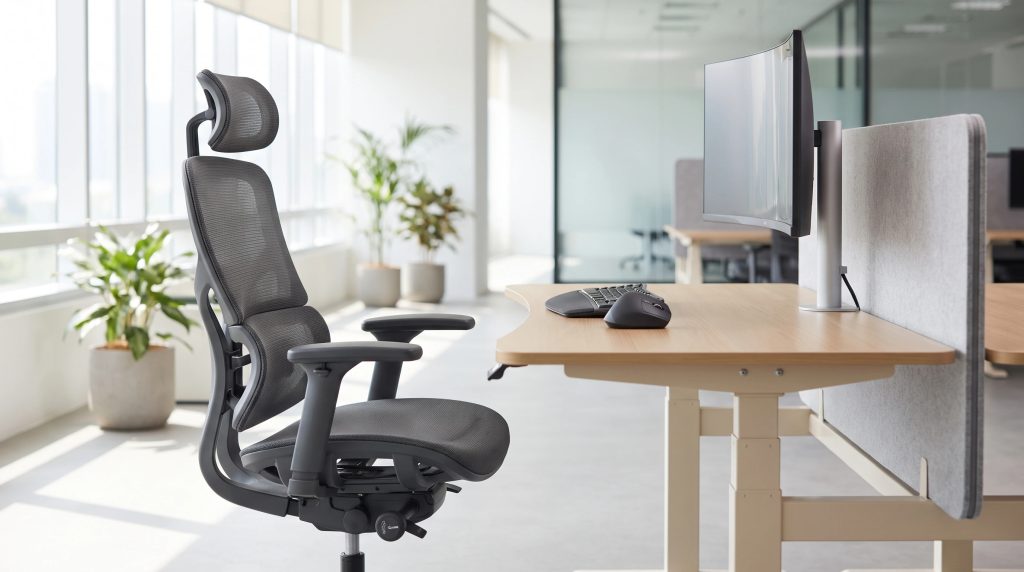
- Office chairs such as ergonomic, task, executive, and guest chairs
- Office desks and workstations
- Modular workstations for group work areas
- Filing cabinets, pedestals, cupboards, and shelves
- Conference tables and meeting chairs
- Reception desk, sofa, and lounge chairs
- Executive desks and office furniture
- Office space planning and furniture layout services
- Furniture delivery, assembly, and installation
- Support during warranty period and replacement parts services
Working with one experienced office furniture supplier can simplify the process of maintaining consistency among furniture styles and furniture deliveries to create an employee-friendly working environment.
How to Assess Your Office Furniture Requirements Before Buying
Before buying office furniture, take time to understand how your team uses the workspace. The right choices depend on staff numbers, daily tasks, available space and the way each area of the office is used.
Check Your Available Space
Measure the office before purchasing office furniture. Check the locations of doors, windows, pathways, power points and permanent fixtures. This will enable you to select office furniture that fits properly and will not overcrowd the office space.
Consider Employee Needs
Take into account the length of time employees stay seated, equipment used and whether the employees have their own workstations. Employees who mostly work at a computer terminal all day would benefit from an adjustable office chair, adequate space and accessibility to storage space.
Review Your Current and Future Team Size
Make your choice depending on your present requirements as well as future growth plans. You may use modular desks and workstations that could facilitate the addition of more employees or changes in layout in future.
Set a Practical Budget
Before talking to the office furniture suppliers, determine how much budget you would like to allocate. Consider cost of manufacture, comfort level, warranties and installation, among others. This will make it easier to compare alternatives based on their value.
Choosing the Right Office Chair for Different Employees
Not every employee needs the same office chair. Working hours, body size, job tasks and desk setup can affect which chair feels comfortable and practical. Therefore, businesses should choose seating based on how each employee works.
Desk-Based Employees
Workers working at their computers throughout the day will require proper adjustment and comfort. Try looking for a desk chair that is adjustable in height, back support, armrests, and enough seat room.
Managers and Executives
Managers might be busy moving from working on the computer to attending meetings and making calls. Executive chairs might offer strong back support and seating comfort along with other adjustments in a professional setting.
Employees Using Shared Workstations
Different-sized workers might be using shared desks, which means you need chairs with easy adjustment controls in terms of seat height, backrest, and armrests. Every worker will be able to adjust the chair easily.
Meeting Room and Visitor Seating
Meeting rooms will mostly have workers sitting on their chairs for shorter periods. Comfortable and easy-to-move chairs might do the job in such settings. Chairs for visitors will offer good support but not take too much floor space.
Office Chair Features Businesses Should Compare Before Buying
An office chair may look comfortable, but appearance alone does not show how well it will support an employee during the working day. Before ordering, businesses should compare features that affect comfort, fit and everyday use.
- Seat height: An adjustable seat helps employees find a comfortable position at their desk.
- Seat depth: There should be enough space to support the thighs without putting pressure behind the knees.
- Back support: A supportive backrest helps employees maintain a comfortable sitting position during desk work.
- Armrests: Adjustable armrests can support the arms and shoulders while allowing the chair to fit under the desk.
- Tilt and recline: These features allow users to change their sitting position during the day.
- Chair base: A stable five-point base provides better support and allows safe movement around the workstation.
- Castors: Choose castors that suit the office flooring, whether it is carpet, tile or another surface.
- Seat material: Mesh, fabric and other materials offer different levels of airflow, comfort and maintenance.
Businesses should compare these features alongside build quality, warranty and price before choosing chairs for their team.
Different Types of Office Furniture and Where They Are Used
Every part of an office serves a different purpose, so businesses need more than desks and chairs. Choosing furniture based on where and how it will be used can create a more organised and practical workspace.
Office Desks and Workstations
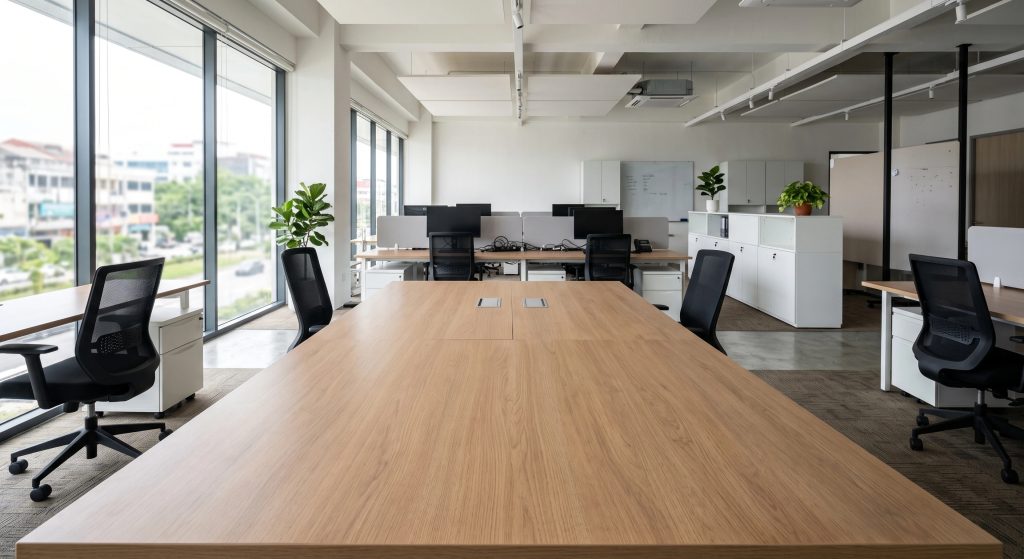
Employee desk stations are designed for workers who require an individual workspace, while shared workstations can be useful for teams and open-plan offices. Modular workstations will also assist organisations in using their office floor space effectively.
Office Chairs
Task chairs and ergonomic chairs are widely used in employee workstation positions. Executive chairs are appropriate for private offices, whereas simple meeting and visitor chairs are suitable for rooms where people will spend shorter periods of time sitting.
Meeting and Conference Furniture
Conference tables along with comfortable chairs are required in most of the meeting rooms. It is important that the size of the conference table is in line with the size of the meeting room and its future usage.
Office Storage
Filing cabinets, pedestals, cupboards and shelves serve as places to store office documents, office supplies and other materials. Office storage solutions will be useful both in office workstations, private offices and shared office storage rooms.
Reception and Breakout Furniture
Reception desks, visitor chairs and sofas are helpful when creating a comfortable reception area. Breakout areas can be equipped with lounge chairs, small tables and flexible seating furniture.
How to Choose Office Furniture Based on Workspace Type
The best office furniture depends on how each workspace is used. A busy open-plan office has different needs from a private room or meeting space. Therefore, consider the purpose of each area before selecting furniture.
Open-Plan Offices
Select small desks, collaborative workstations and adjustable office chairs to maximise the use of floor space. Storage spaces and desk partitions can also ensure the organisation of personal work areas.
Private Offices
There is usually ample space in private offices for bigger desks, comfortable chairs and storage space. But the furniture must allow adequate space for movement by employees and visitors.
Hybrid Workspaces
The flexibility of furniture is an important aspect in hybrid offices, where employees can interchangeably use the same pieces of furniture. Adjustable chairs, collaborative desks and modular workstations become helpful in such cases.
Meeting and Training Rooms
Furniture in meeting rooms can be selected according to room dimensions and average number of users. Lightweight and portable furniture is also recommended where different furniture configurations may be needed during different occasions.
Reception and Breakout Areas
Reception area furniture should offer comfortable seating options while ensuring easy access to the reception area. Furniture for breakout spaces should include sofas, lounge chairs and small tables for informal discussions and gatherings.
Materials Used in Office Furniture
Materials that are used for office furniture influence comfort, look and how the pieces of furniture can be maintained. These include:
- Wood: Usually used for the manufacturing of executive desks, meeting tables, cabinets and reception furniture.
- Engineered wood: Usually applied to the manufacture of desks and workstations since they are practical, cost-effective and come in various finishes.
- Laminate and melamine: Applied to desk and cabinet surfaces since they are easy to clean and fit office furniture.
- Metal: Usually used in the production of desk frames, chair frames, filing cabinets and shelving since it is durable.
- Mesh: Usually used in the manufacture of the office chair backrest since it allows for airflow while sitting for long hours.
- Fabric: Usually used in making task chairs, meeting chairs, sofas and other forms of seating. They have a nice soft touch in various colours.
- Leather and leather-like materials: Usually used in executive chairs and reception seating since businesses prefer this material for formal settings.
An office furniture supplier can help businesses compare these materials based on budget, daily use, maintenance and workspace style.
Ergonomics and Office Furniture: What Businesses Should Consider
Ergonomics is about creating a workspace that fits the employee and the work they do. When choosing office furniture, businesses should consider comfort, posture, movement and how easily employees can adjust their work area.
Choose Furniture That Can Be Adjusted
It is essential to understand that not all employees have the same body height and size. An adjustable office chair will help to adjust the seat, backrest and armrests to match the needs of a person.
Make Sure the Desk and Chair Work Together
The chair alone cannot do the job if the desk height is either too high or too low. Moreover, the employee should have enough space for the monitor, keyboard, etc., while having the required amount of room under the desk for legs.
Support Comfortable Working Positions
It is recommended to ensure that frequently used items are close at hand, while the chair supports the back. At the same time, the configuration of the desk should enable an employee to work without the need to strain constantly.
Allow Employees to Move
Even the best workstation should not force a person to stay in the same posture all day long. The office design should encourage employees to stand up, walk around and change positions.
How to Compare Office Furniture Suppliers
Choosing the right office furniture supplier can make the buying process much easier. Instead of comparing suppliers on price alone, look at the quality of their products, services and support.
Check Their Product Range
If the supplier is offering various office chairs, desks, workstations, and furniture for storage and meetings, then they can help you buy different things from one supplier. It will be more convenient if you want to create consistency in your office design.
Look at Their Experience
You should know about their experience in the business and projects they have done. If the supplier is experienced in working on projects that involve furniture for offices like yours, then it would be better for you.
Compare Product Quality and Warranty
Materials used, product specifications, build quality, and warranty should be compared. For example, if you are buying an office chair, you can compare its adjustability, seat materials, support, and base quality.
Review Delivery and Installation Services
See whether installation services along with delivery services are offered. Moreover, you should check the expected delivery date if there is a particular deadline for your office.
Consider After-Sales Support
Ask how the supplier handles damaged items, replacement parts and warranty claims. Reliable after-sales support can save time and reduce problems after the furniture has been installed.
What Should Be Included in an Office Furniture Quotation?
A clear quotation ensures understanding of what companies pay for and helps to make comparisons among different suppliers. Before placing an order, make sure that your quotation includes information about the main products, prices and service conditions.
- Product information: Names and descriptions of each furniture piece.
- Quantity: Amounts of desks, cabinets, workstations and office chairs ordered.
- Specifications: Dimensions, materials, surface finishing, colours, and features of the products.
- Individual and collective pricing: All pricing must be clear; possible taxes or surcharges must be considered.
- Delivery fees: Determine if delivery is included in the total price or charged separately.
- Installation price: Information about the installation process and its inclusion must be mentioned in the quotation.
- Timeline of delivery: Estimate lead time and delivery period.
- Terms of payment: Deposits, stages and dates of payments must be considered.
- Warranty details: Review warranty periods, coverage and any important exclusions.
A detailed quotation from an office furniture supplier reduces confusion and helps businesses compare offers on the same basis.
Why Office Furniture Price Should Not Be the Only Buying Factor
Price is important when planning an office furniture budget, but the cheapest option may not offer the best value. Furniture is used every working day, so comfort, quality and durability also deserve attention.
Think About Long-Term Use
Low-cost furniture could require repairs or replacements sooner than anticipated because it cannot withstand frequent usage. Selecting good-quality desks, storage, and chairs would help prevent more frequent replacements.
Consider Employee Comfort
Employees would be spending several hours in the office and working at their desks. An appropriate chair would offer comfort and good adjustability. Relying solely on the cost while selecting a chair would mean missing out on what is necessary for the employees.
Check Quality and Warranty
The quality of materials used, hardware, mechanisms, and finish of the furniture determines its performance in the long-term period. Warranty would also be important when selecting office furniture.
Include the Full Cost
The listed product price may not include delivery, assembly or installation. Compare the complete quotation from each office furniture supplier before making a decision.
Office Furniture for Growing Businesses
A growing business needs office furniture that can change as the team expands. Buying furniture only for current staff numbers may lead to extra costs and space problems later. Therefore, it helps to plan for future needs from the start.
Choose Modular Furniture
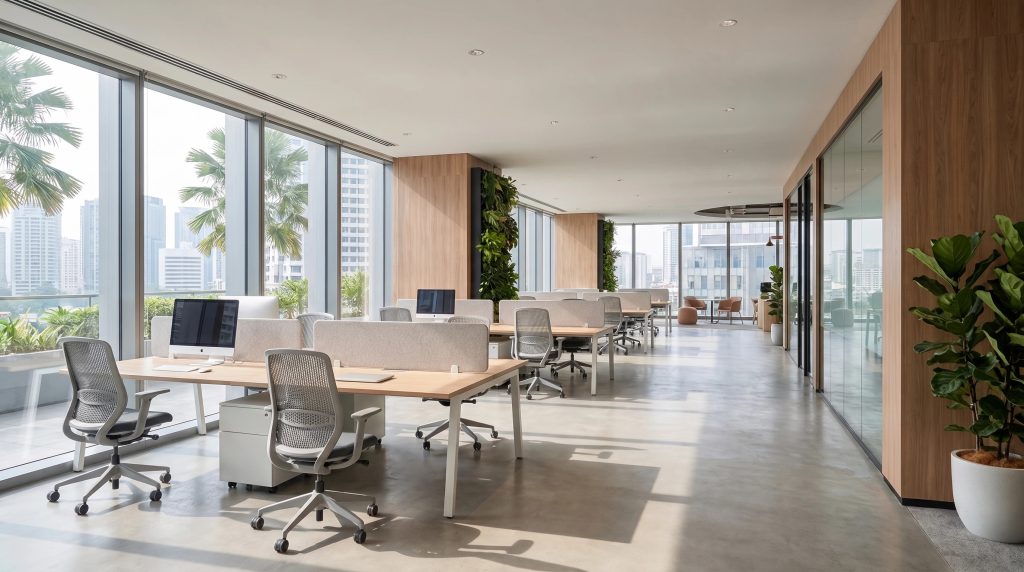
Modular desks and workstations can be added, moved or rearranged when new employees join. This gives businesses more freedom to change the office layout without replacing existing furniture.
Keep Key Furniture Consistent
Using the same desk, storage and office chair ranges can make future orders easier. It also helps maintain a consistent look across different teams and office areas.
Plan for Flexible Working
Staff numbers in the office may change throughout the week. Shared desks, adjustable chairs and flexible meeting areas can help businesses make better use of available space.
Leave Space for Growth
Avoid filling every available area with furniture. Keep enough room for movement, extra workstations and future changes. An experienced office furniture supplier can also help plan a layout that supports both current needs and business growth.
Delivery, Installation and After-Sales Support
Buying office furniture does not end when the order is placed. Delivery, installation and support can affect how quickly employees can start using the new workspace. These services are worth checking before choosing a supplier.
Delivery
Ask about delivery times before confirming the order. The supplier should explain expected lead times, delivery charges and any requirements for large items. Building access, lifts, loading areas and office hours may also affect delivery.
Installation
Desks, workstations, cabinets and meeting tables may require assembly. Professional installation can help ensure furniture is set up correctly and placed according to the planned layout.
After-Sales Support
Good support remains important after installation. Check how the supplier handles damaged items, missing parts, repairs and warranty claims. For products such as an office chair, access to replacement parts can also make maintenance easier and extend its useful life.
Common Mistakes Businesses Make When Buying Office Furniture
Buying office furniture without proper planning can lead to wasted space, extra costs and furniture that does not suit employees. Avoiding a few common mistakes can make the buying process much easier.
- Buying without measuring the office: Large desks, cabinets or workstations may block walkways or make the space feel crowded.
- Choosing furniture based only on price: A cheaper option may offer less comfort, weaker materials or a shorter useful life.
- Ignoring employee needs: The same office chair or desk may not suit every employee, task or working style.
- Focusing too much on appearance: Furniture should look good, but comfort, size and practical use should come first.
- Overlooking delivery and installation: These services may add to the final cost and affect when the office is ready to use.
Careful planning and clear discussions with a supplier can help businesses avoid these problems before placing an order.
Questions to Ask an Office Furniture Supplier Before Ordering
Before placing an order, ask the office furniture supplier a few key questions. Clear answers can help you compare options, understand the total cost and avoid problems after delivery.
- What furniture would suit our office size and layout?
- Can you recommend an office chair for different types of employees?
- Are the products in stock or made to order?
- What are the expected delivery times?
- Are delivery and installation included in the quoted price?
- What materials and finishes are available?
- What warranty comes with the furniture?
- Are replacement parts available if something breaks?
- How do you handle damaged or incorrect items?
- What after-sales support do you offer?
Asking these questions before ordering gives businesses a clearer picture of the products, services and support they will receive.
Why Businesses Should Work With an Experienced Office Furniture Supplier
Choosing furniture for an entire workplace involves more than selecting products from a catalogue. An experienced furniture supplier can help businesses make practical choices based on available space, staff needs and budget.
Better Product Recommendations
Experienced suppliers understand how different desks, workstations, storage units and chairs are used. They can suggest options that match the needs of different teams instead of using the same setup throughout the office.
More Effective Space Planning
Furniture needs to fit the room without blocking movement or making work areas feel crowded. An experienced supplier can help businesses choose suitable sizes and layouts while making better use of available space.
Support Throughout the Project
A reliable supplier can assist with product selection, quotations, delivery and installation. They may also provide support with warranties, replacement parts and product issues after the furniture is in use.
Better Long-Term Value
Experience can help businesses avoid unsuitable furniture and costly changes later. From choosing the right office chair to planning workstations for future growth, the right supplier can make the whole buying process simpler and more organised.
Conclusion
Creating a productive office starts with choosing furniture that supports the way employees work each day. The right desks, storage and office chair can improve comfort, keep the workspace organised and make better use of available space.
However, good office furniture is not only about appearance or price. Businesses should consider quality, ergonomics, materials, flexibility, warranty and future growth before making a decision. Careful planning can also help avoid costly changes later.
Working with an experienced office furniture supplier can make the process easier, from selecting suitable products to delivery and installation. With the right furniture and planning, businesses can create a comfortable, practical workspace that continues to meet their needs as the team grows.
Frequently Asked Questions
Consider comfort, available space, daily use, materials, durability and budget. You should also choose furniture that can support future changes as your team grows.
Choose an office chair based on the employee’s work, body size and time spent sitting. Look for useful features such as adjustable seat height, back support, armrests and a stable base.
An office furniture supplier may provide chairs, desks, workstations, storage, meeting tables and reception furniture. Some suppliers also offer space planning, delivery, installation and after-sales support.
Ergonomic furniture can help create a more comfortable workstation for employees. Adjustable chairs and suitable desks also make it easier to set up work areas for people with different needs.
Choose modular workstations, adjustable chairs and flexible storage that can adapt as your team changes. It is also useful to leave enough floor space for additional desks, meeting areas or future layout changes.