Choosing the right bed can make a big difference to how well a hostel or dormitory uses its space. When several people share one room, every square metre counts. A double decker bed provides two sleeping spaces while taking up almost the same floor area as one bed.
However, not every bed is suitable for shared accommodation. The frame needs to be strong, safe and comfortable enough for regular use. Size, material, mattress support and ladder design can also affect safety and daily comfort.
A poor choice may lead to wasted space, frequent repairs and an uncomfortable room. Therefore, it is important to compare the right features before buying. This guide covers the key points you need to choose a practical bed for your hostel or dormitory.
Why Double Decker Beds Are Popular for Hostels and Dormitories
A double decker bed is a practical choice for hostels and dormitories where space, comfort and room capacity matter. By placing one sleeping area above another, it helps make better use of the available room.
- Efficient Use of Space: Two individuals can sleep in almost the same space required to sleep one person in a single bed. More usable space will be created inside the room as a result.
- Increased Room Capacity: Hostels can make provision for additional sleeping spaces without having to fill the whole floor with beds. This is especially important for student hostels, dormitories, and workers’ accommodation.
- Available Space: More space will be available to utilise for storage lockers, study desks, chairs, and walkways, making the room more organised.
- Customizable Room Design: These beds can be arranged depending on the size and shape of the room. There are even designs that can be converted to two separate beds whenever necessary.
- Beneficial for Shared Accommodation: It is relatively easy to organise sleeping and storage spaces using the simple design of the bunk bed.
Overall, it offers a simple way to increase sleeping capacity while keeping shared rooms practical and comfortable.
What Is a Double Decker Bed?
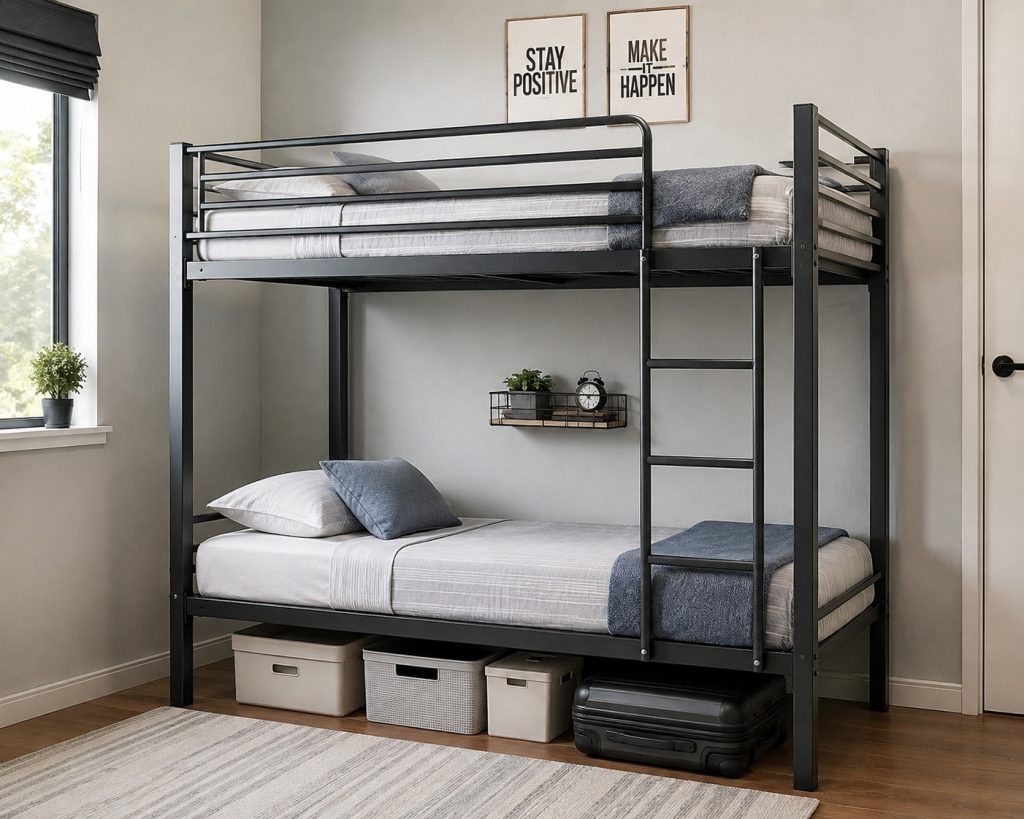
A double decker bed is a bed frame with two sleeping levels, with one bed placed above the other. It is also commonly known as a bunk bed. This design allows two people to sleep in the floor space usually needed for one single bed.
The upper bed is reached using a ladder or built-in steps. It usually includes guardrails to help keep the sleeper secure. The lower bed sits closer to the floor and is easier to access.
They are available in metal and wooden designs, with different sizes and frame styles. Some models can also be separated into two single beds. This flexibility makes them a practical option for hostels and dormitories where room layouts or occupancy needs may change.
What to Consider Before Buying a Double Decker Bed
Choosing a double decker bed requires more than comparing price and appearance. The right choice should match the room, residents and level of daily use.
Room Size and Ceiling Height
The room’s length, width, and ceiling height must be measured prior to selecting a bed, ensuring sufficient space for movement and easy access to the upper bed.
Bed Strength and Load Capacity
Beds in hostels usually undergo heavy use on a daily basis; therefore, it is vital that the bed frame is sturdy. The load capacity of the bed must also be checked along with the strength of the joints.
Mattress Size and Fit
Choose a mattress that matches the bed frame’s stated dimensions. The correct mattress thickness is also important because a mattress that is too thick can reduce the effective height of the upper guardrail.
Ease of Access
Make sure that the design of the ladder makes the bed accessible to residents before making a purchase. There must be enough room between the upper bunk and the ladder for residents to access it.
Available Storage Space
Take into account where residents will store their luggage, clothes, and other personal items. It is possible to create more storage space by using the right bed design.
Cleaning and Maintenance
Choose a bed that staff will be able to easily clean and inspect. Easy-to-clean and easy-to-access joints will make it easier to perform maintenance tasks.
Safety Features to Look for in a Double Decker Bed
Safety is an important factor when choosing a double decker bed for a hostel or dormitory. Since the upper bunk is raised from the floor, every part of the bed should support safe and comfortable daily use.
- Strong Guardrails: The upper bunk should have secure guardrails to help prevent falls while sleeping. They should also work with the recommended mattress thickness.
- Stable Ladder: A firmly attached ladder makes it safer and easier to reach the upper bunk. The steps should provide good support when climbing up or down.
- Sturdy Bed Frame: The frame should remain stable during normal use. Strong joints, bolts and supports can help reduce unwanted movement or wobbling.
- Safe Edges: Smooth corners and finished edges help reduce the risk of cuts or other minor injuries. Check the entire frame for rough or exposed areas.
- Secure Mattress Support: Slats or other mattress supports should stay firmly in place. They should provide an even and stable base for the mattress.
- Suitable Openings: Gaps around the frame, ladder and guardrails should be designed to reduce trapping or entrapment risks.
These safety features can help create a more secure sleeping space while making the bed suitable for regular hostel and dormitory use.
Choosing the Right Material for a Double Decker Bed
The material of a double decker bed influences its durability, aesthetic appeal, weight and requirements for upkeep. Thus, take into account the frequency of use and kind of housing where the bed is going to be located.
Metal
Metal is widely used for hostel and dormitory beds because it can provide a strong frame without taking up too much space. Steel frames are especially suitable for frequent use and are generally easy to clean and inspect.
Solid Wood
Solid wood offers a sturdy build and a warm, natural appearance. It can work well in student residences, private dormitories and hostels that want a more homely interior.
Engineered Wood
Engineered wood, such as plywood or MDF, may be used for bed panels, storage sections or parts of some bunk-bed designs. It can provide a neat finish at a lower cost than many solid wood options, although quality and moisture resistance can vary.
Metal and Wood Combination
Some double-decker beds combine a metal frame with wooden panels, steps or storage features. This design can offer the strength of metal while adding the warmer appearance of wood.
Double Decker Beds for Different Accommodation Types
A double decker bed can suit many types of shared accommodation, but each property has different needs. The right design depends on the residents, available space and level of daily use.
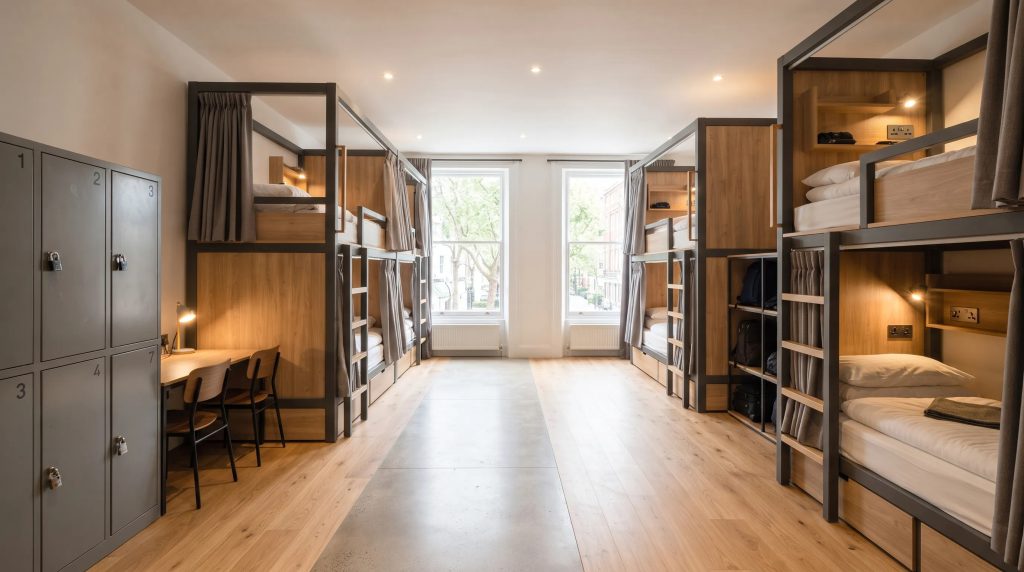
Student Hostels
Student hostels need comfortable sleeping areas without losing valuable study and storage space. Double-decker beds can help students make better use of a shared room.
- Leaves more floor space for study desks and chairs
- Provides extra room for lockers and personal storage
- Makes it easier to arrange several beds in shared rooms
A good bed layout gives students enough space for sleeping, studying and storing their belongings.
Worker Dormitories
Worker dormitories often need beds that can handle regular use over long periods. Strong frames and simple designs can make these rooms easier to manage.
- Handles frequent use in busy dormitory rooms
- Makes regular cleaning and inspection easier
- Provides a simple sleeping setup for shared spaces
A durable double decker bed can provide a practical sleeping solution for worker accommodation.
Backpacker Hostels
Backpacker hostels often have guests arriving and leaving on a regular basis. Beds should therefore offer easy access while keeping shared rooms neat and comfortable.
- Provides more sleeping spaces within limited floor space
- Leaves room for luggage lockers and personal belongings
- Helps maintain clear walking areas between beds
The right layout can make a busy hostel room feel more organised and comfortable for guests.
Staff Accommodation
Staff accommodation may need to support different numbers of residents throughout the year. Flexible bed designs can make it easier to adjust rooms when needs change.
- Saves floor space for wardrobes and other furniture
- Allows more staff members to share larger rooms
- Offers flexible room planning for changing occupancy
A flexible double-decker bed setup makes it easier to adapt staff accommodation as occupancy needs change.
How Double Decker Beds Help Maximise Room Capacity
A double decker bed makes better use of vertical space by placing one sleeping area above another. This allows two people to sleep within almost the same floor area needed for one single bed, helping hostels and dormitories use limited space more efficiently.
The floor space saved can be used for other essential furniture. Depending on the room layout, operators can add lockers, wardrobes, desks or luggage storage while keeping enough space for residents to move around comfortably.
Double-decker beds can also help increase the number of residents a room can support. However, room capacity should always consider available space, ceiling height, ventilation, safe access and local requirements. A well-planned layout can provide more sleeping spaces without making the room feel crowded.
How to Plan a Dormitory Room With Double Decker Beds
Good room planning helps you get the most from a double decker bed without making the dormitory feel crowded. The layout should provide enough sleeping space while keeping storage, access and daily movement in mind.
1. Measure the Available Space
Start by measuring the room’s length, width and ceiling height. Mark the location of doors, windows, columns, lights and other fixed features before deciding where the beds will go.
2. Position the Beds Carefully
Place double-decker beds where residents can reach both bunks with ease. Avoid positions where ladders block doors, walkways, lockers or other furniture.
3. Plan Clear Walking Areas
Leave enough room between beds and other furniture for comfortable movement. Clear routes also make cleaning and daily room use easier.
4. Include Storage Space
Plan where residents will keep clothes, bags and personal items. Lockers, wardrobes or suitable under-bed storage can help prevent belongings from filling walking areas.
5. Check the Upper Bunk Area
Consider ceiling height and nearby fittings when positioning the upper bunk. Keep beds away from ceiling fans, lights and other fixtures that could affect safe use.
Double Decker Bed Size and Configuration Guide
Proper selection of the appropriate double decker bed sizes ensures that your sleeping experience is comfortable. Always measure the bed size and mattress size before buying.
- Single Over Single: This consists of two single beds placed vertically; it is good for most hostels and dorms.
- Detachable Bed: It can be split into two single beds when needed in case the room layout changes.
- Twin Over Double: It consists of a wide bottom bed with single upper beds, thus providing more sleeping space on the bottom bed.
- Bed with Storage Space: The bed with space to store things like drawers and shelves is useful for smaller bedrooms.
- Bed Ceiling Clearance: Ensure that there is enough clearance for the upper bed between the ceiling, lights, and fans.
- Mattress Fit: Choose the recommended mattress size and thickness for a proper and safe fit.
The right configuration should match the room size, number of residents and available space.
Double Decker Beds vs Single Beds for Hostels
| Factor | Double Decker Beds | Single Beds |
|---|---|---|
| Space Use | Uses vertical space and saves floor area | Requires more floor space |
| Room Capacity | Allows more people to share a room | Better for lower occupancy |
| Storage Space | Leaves more room for lockers and furniture | May limit storage space |
| Access | Upper bunk requires a ladder | Easy to access |
| Flexibility | Some models separate into single beds | Easy to move and rearrange |
| Best For | Shared hostels and dormitories | Private or spacious rooms |
Common Mistakes When Buying Double Decker Beds
Failure to consider some important aspects when purchasing a double decker bed could result in poor utilisation of space, added costs and risks to safety. The following are some of the mistakes that should be avoided when purchasing beds for hostels or dormitories.
- Choosing by Price Alone: Lower-priced beds might not have the required strength for everyday use. Other factors such as the construction, durability, and maintenance should also be considered.
- Ignoring Room Measurements: Floor space and ceiling height must be taken into account when purchasing beds. Doors, windows and walking space should also be considered.
- Overlooking Safety Features: Guardrails, ladder, joints and mattress supports should never be forgotten. These features should be safe and fit for regular use.
- Using the Wrong Mattress: The bed should have a mattress that meets the specifications provided by the manufacturer. In particular, mattresses for the top deck should be appropriately sized and thick.
- Forgetting Maintenance Needs: The design of some beds makes it difficult to perform inspections. Purchase a frame that gives easy access to bolts, joints and other important parts.
Avoiding these mistakes can help you choose double-decker beds that offer better value, comfort and long-term use.
How to Maintain Double Decker Beds
Regular care can help a double decker bed stay clean, stable and comfortable for longer. Since hostel beds face frequent use, simple checks should form part of the normal maintenance routine.
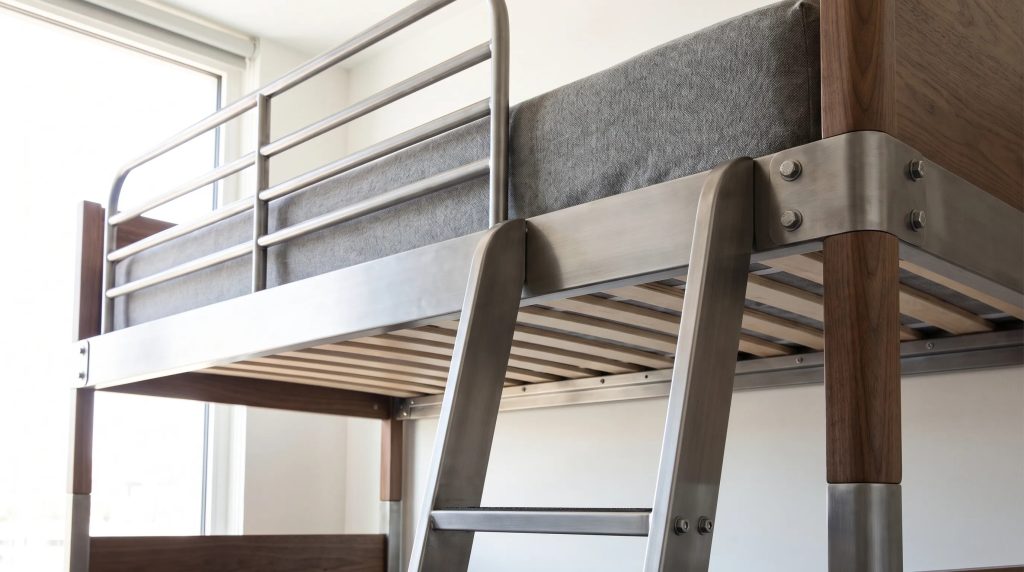
Check Bolts and Joints
Inspect bolts, screws, and joint areas of the bed frame for any signs of looseness. Make adjustments based on manufacturer’s recommendations.
Clean the Bed Frame
Keep the frame clean from dust and debris by regularly cleaning it. Apply appropriate cleaning solutions for metals, wood, or specific finishes of the bed.
Inspect Ladders and Guardrails
Confirm that the ladders and upper guardrails are securely fixed. Repair loose or damaged parts of them before the bed is put back to use.
Look for Damage
Inspect metal bed frames for any corrosion, scratches, or bending. In case of wooden bed frames, look for any cracks or moisture damage.
Check Mattress Supports
Ensure that slats and other mattress supports are secured and in good condition. Replace them with damaged ones following the manufacturer’s recommendations.
Conclusion
Choosing the right double decker bed can make a hostel or dormitory more comfortable, organised and space-efficient. The right design helps increase sleeping capacity without taking up too much valuable floor space.
Before buying, consider the bed size, frame material, mattress fit, safety features and maintenance needs. Room dimensions, ceiling height and available walking space should also guide your decision.
A well-planned bed layout creates a better balance between sleeping, storage and movement areas. With the right beds, hostels and dormitories can use their available space well while providing residents with a practical and comfortable place to stay.
Frequently Asked Questions
A double decker bed has two sleeping levels, with one bed placed above another. Also known as a bunk bed, it provides two sleeping spaces while using less floor area than two single beds.
Yes. Double decker beds help increase sleeping capacity while leaving more room for lockers, desks and walking areas. A strong frame, secure ladder and suitable guardrails are important for regular hostel use.
Metal and solid wood are common choices. Metal beds are often practical for busy hostels due to their strength and simple care, while wooden beds offer a warmer appearance.
Measure the room’s length, width and ceiling height first. Then check the bed dimensions, mattress size, ladder access and the space needed for comfortable movement.
Clean the frame regularly and inspect the bolts, joints, ladder and guardrails. Also check mattress supports and look for signs of rust, cracks or other damage.